
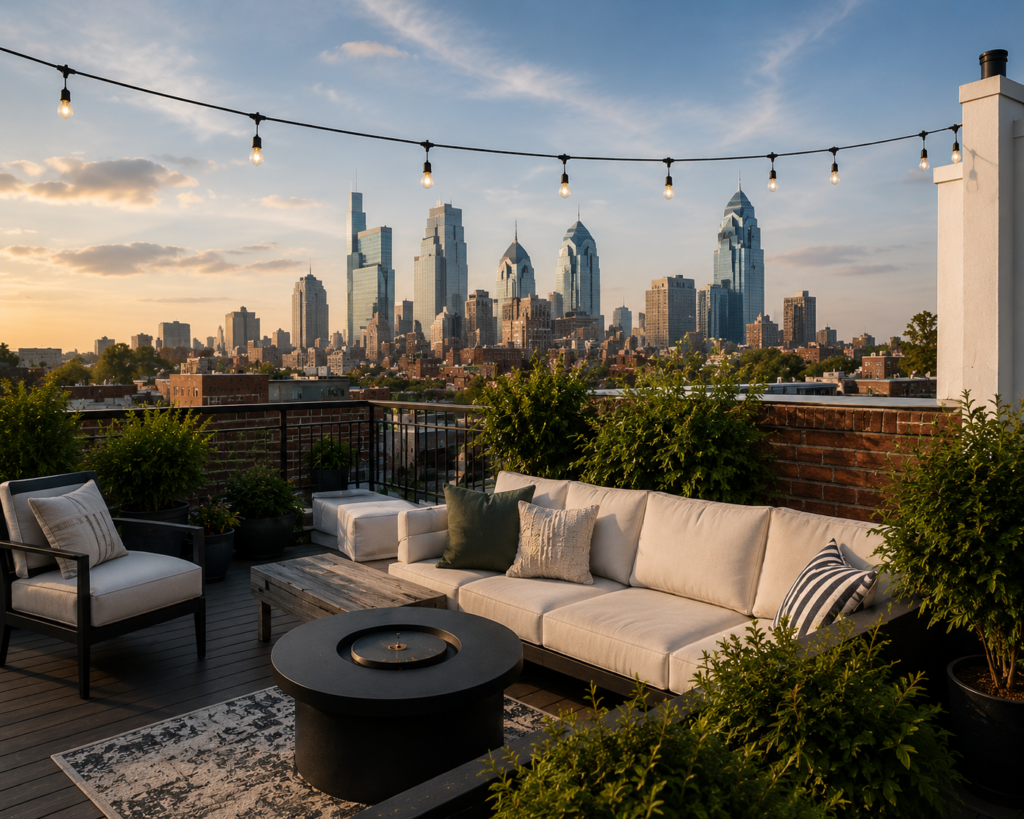
A recent Philadelphia Inquirer article reported that 35% of Airbnb and Vrbo rentals in Philadelphia may not have the right licensing, based on a new report from the City Controller’s Office.
That is a significant number. According to the Inquirer, the Controller reviewed 3,734 licenses associated with short-term rental properties and found that 1,327 were expired or noncompliant. The article also noted examples where license numbers were missing or tied to unrelated uses.
For Philadelphia short-term rental owners, this is more than a headline. It is a warning that the City is paying closer attention to whether short-term rentals have the proper zoning approval, permit, and license.
Short-Term Rentals Need More Than an Online Listing
Many property owners think of short-term rentals as a flexible way to earn extra income. But in Philadelphia, renting a property through Airbnb, Vrbo, or a similar platform is a regulated use.
If the property is your primary residence, you generally need zoning approval for limited lodging and a Limited Lodging Operator License. If you do not live in the property, the requirements are different. In many cases, a non-primary-residence short-term rental requires zoning approval for visitor accommodations and a rental license with a hotel designation. The exact requirements depend on the property, the zoning district, the use, and the owner’s situation. That is why guessing can be risky.
Technology May Make Enforcement Easier
One of the most important points in the Inquirer article is the Controller’s recommendation that Philadelphia move toward a more technology-oriented enforcement approach. Instead of relying mainly on complaints and limited staff review, the City could use technology to monitor noncompliant listings across multiple platforms. That matters because online listings create a digital trail. If the City can compare Airbnb and Vrbo listings against permit, license, inspection, and tax records, it may become much easier to identify properties operating without the right approvals. In the past, some owners may have assumed enforcement would only happen if a neighbor complained. That may no longer be a safe assumption.
Common Short-Term Rental Compliance Problems
Short-term rental owners can run into trouble in several ways:
These problems can lead to violations, fines, loss of bookings, platform removal, and delays when trying to sell, refinance, or expand the property.
Proper Permits Protect the Business
A short-term rental is not just a side arrangement once it is advertised to the public. It is a business use of real estate. Proper zoning and licensing help confirm that the property can legally be used that way.
Compliance also protects the owner’s investment. If a property is generating income from short-term rentals, the value of that income depends on whether the use can legally continue. A noncompliant listing may look profitable until the City, a platform, a neighbor, or a buyer’s due diligence reveals a problem. With major events bringing attention to Philadelphia’s lodging market, short-term rentals are likely to remain under scrutiny.
Do Not Wait Until There Is a Violation
The best time to address short-term rental compliance is before the City flags the listing. If your property needs a zoning permit, license renewal, inspection, hotel designation, or possible variance, the process can take time. Waiting until after a violation notice or delisting threat can create avoidable pressure and lost income. Philadelphia short-term rental rules can be confusing because zoning, licensing, taxes, inspections, and platform requirements all overlap. But the core point is simple: the property needs the right approval for the way it is actually being used.
Need Help With a Philadelphia Short-Term Rental Permit or License?
If you own or plan to operate a short-term rental in Philadelphia, Philadelphia Zoning can help you determine what permits and licenses are required, whether your property is eligible, and how to address compliance issues before they become enforcement problems. Contact Philadelphiazoning.com for help reviewing your short-term rental permit and license status.

1500 Walnut Street
Suite 900
Philadelphia, PA 19102
©2026 Philadelphia Zoning | Powered by 1090 Media