
According to recent reporting from WHYY, the legislation—known as the Safe Healthy Homes Act—would expand tenant protections and introduce new oversight of rental housing in Philadelphia.
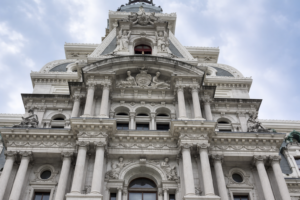 The proposals are designed to address housing safety concerns and strengthen renters’ rights. Supporters say the changes could improve housing conditions and protect tenants from retaliation when reporting unsafe living conditions, while some landlord groups argue the measures may increase regulatory burdens for property owners.
While the legislation has not yet been finalized, property owners, investors, and landlords should understand what potential changes may be coming and how they could affect rental property compliance.
Below is a high-level overview of the key elements currently being discussed.
One of the most significant proposals would allow the City of Philadelphia to begin conducting regular, proactive inspections of rental properties.
Currently, the Department of Licenses & Inspections (L&I) typically inspects rental properties only when a complaint is filed by a tenant. Under the proposed legislation, the city would establish a system where rental units could be inspected on a scheduled cycle, regardless of whether a complaint has been made.
Supporters believe proactive inspections could improve housing conditions and ensure that maintenance issues are addressed earlier. Critics, however, argue the policy may increase compliance costs and administrative burdens for landlords.
Another component of the legislation focuses on protecting tenants who report unsafe or unhealthy housing conditions.
Advocates say many renters are reluctant to report problems because they fear retaliation from landlords, including eviction or non-renewal of leases. The proposed bills aim to strengthen protections so tenants can report issues without fear of losing their housing.
For property owners, this could mean greater scrutiny when ending leases or responding to tenant complaints, particularly in situations where maintenance issues are involved.
The legislative package is built around three guiding principles often described as tenants’ rights to:
Some proposals also include the possibility of relocation assistance when a property becomes uninhabitable due to severe code violations, particularly if the city issues a cease-operations order.
If enacted, these policies could introduce several practical changes for landlords and property managers, including:
For responsible property owners who already maintain their properties and follow city regulations, these changes may simply mean additional administrative steps.
However, investors, landlords, and property managers should stay informed as the legislation evolves.
Philadelphia already has a complex regulatory environment for rental properties, including requirements for:
New housing legislation could further expand oversight and enforcement related to rental housing.
That’s why it’s important for property owners to understand zoning requirements, licensing rules, and city compliance obligations before purchasing or renting out a property.
At Philadelphia Zoning, we help property owners navigate the city’s complex regulatory environment. Our team assists with:
If you own rental property or are considering investing in Philadelphia real estate, staying compliant with city regulations is essential.
Have questions about your property?
Contact us below to discuss your project!