
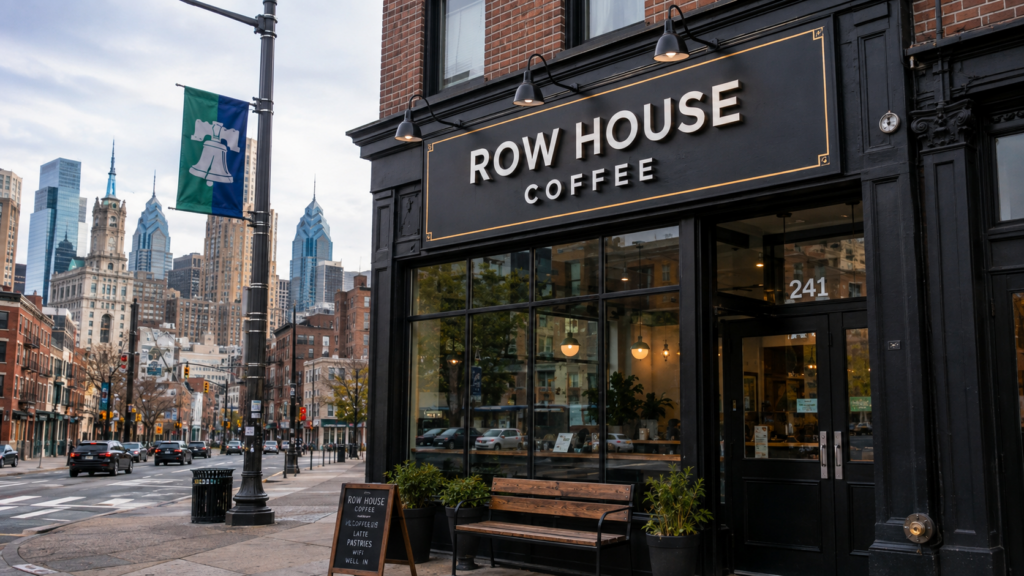
A new storefront sign can make a business feel real. It can also become an unexpected source of delay, added expense, or code problems when the permitting requirements are addressed too late. Philadelphia regulates signs based on factors such as their type, size, location, height, illumination, and relationship to the business on the property. A sign that looks straightforward in a rendering may require several approvals before it can legally be installed. The safest time to investigate Philadelphia sign permit requirements is before approving the final design or authorizing fabrication.
A “Sign Permit” May Involve More Than One Approval
Business owners often assume there is one permit covering the entire sign project. In practice, several different approvals may apply.
Zoning approval
Philadelphia generally requires zoning approval to install a sign. Zoning review considers matters such as:
The Department of Licenses and Inspections, commonly called L&I, issues zoning approvals for signs. The applicable rules can depend on the property’s zoning district and any overlays or special controls affecting the site.
Building permit
A permanent sign may also require a building permit. According to the City’s current guidance, exterior signs generally require a building permit, although painted signs and adhesive or vinyl graphics and letters are treated differently. Interior and window signs may require building permits when fasteners are used. The building review focuses on the physical installation and safety of the sign, not simply whether its size and location comply with zoning.
Electrical permit
An illuminated sign may also require an electrical permit. This should be considered early, particularly when the design includes internal lighting, channel letters, or other electrical components. The City provides a useful overview of these distinctions on its pages for zoning sign permits and building permits for signs.
Do All Signs Need a Philadelphia Zoning Permit?
No, but the exceptions are limited and fact-specific.
For example, the City identifies an exception for window signs installed in no more than two windows or doors when they occupy less than 20 percent of the transparent glazed area. Certain small directional signs, temporary real estate signs, and interior signs that are sufficiently removed or angled away from exterior openings may also be exempt.
These exceptions should be applied carefully. A window graphic that qualifies for an exemption at one storefront may require approval at another because of its size, placement, number, installation method, or the status of the building.
An exemption from zoning approval also does not necessarily mean that every other approval is unnecessary. Historic-property review and building or electrical requirements may still need to be considered.
Can Your Project Use an EZ Sign Permit?
Some qualifying sign projects can use Philadelphia’s EZ permit standards. This can eliminate the need to submit plans and may shorten the review process.
However, EZ treatment is not available for every property or design. Eligibility can depend on:
Projects that deviate from the EZ standards generally require plans and a conventional review. Treating a project as “EZ” before confirming eligibility can waste time and force the application to be reorganized.
Historic Properties Require Special Attention
Philadelphia’s historic buildings frequently create sign-permitting surprises.
If a property is listed individually or located within a designated historic district, the Philadelphia Historical Commission may need to review the work. The City specifically indicates that signs on historic properties can require a building permit even for painted signs, vinyl graphics, adhesive letters, or maintenance that might be treated differently on a nonhistoric building.
Historical Commission review may consider the sign’s design, attachment, materials, location, and effect on the building’s exterior. L&I can refuse to accept or approve a permit application when required historic approval has not been obtained.
Property owners and tenants should verify historic status before finalizing the sign package. The City maintains information about project review for historic properties.
Other Agencies May Need to Review the Sign
Some projects require approval beyond L&I.
Depending on the location and design, review may involve:
Projecting signs and certain awnings extending over the right-of-way deserve particular attention. Special review may also apply in designated overlay areas, near certain parkways or parks, and in other regulated locations.
These reviews should be identified at the beginning of the project. Discovering an additional agency requirement after filing with L&I can interfere with fabrication schedules, lease deadlines, and planned opening dates.
Five Common Sign-Permit Mistakes
A sign company can manufacture exactly what the customer ordered and still produce a sign that cannot be approved at the proposed property. Confirm the allowable sign type, area, placement, and illumination before fabrication begins.
The zoning analysis may need to account for both existing and proposed signage. Old sign cabinets, awnings, wall signs, or other installations can affect what additional signage is permitted.
Current-condition photographs are part of the City’s zoning sign application requirements. Existing signage should therefore be documented early.
Applications must use the legal address established by the Office of Property Assessment. Multi-tenant and corner properties can be particularly confusing. An incorrect or incomplete address can create avoidable questions during review.
A tenant applying for zoning approval must provide an executed lease. The lease should also be reviewed for sign restrictions, consent requirements, and responsibility for permits.
Municipal approval does not override a private lease or other property agreement.
Replacing a tenant panel, refacing an existing sign, changing copy, adding illumination, or reusing an old structure may still require review. The scope should be checked before work begins, even if a sign has occupied the same location for years.
What If the Proposed Sign Does Not Comply?
When a sign does not satisfy the applicable zoning rules, the applicant may have several choices.
One option is to revise the design. Reducing the size, changing the sign type, modifying illumination, or relocating the sign may create a compliant alternative that can be approved without an appeal.
Another option may be to pursue zoning relief. If L&I refuses the zoning application, the applicant generally has 30 days to appeal to the Zoning Board of Adjustment. A zoning appeal can involve filing requirements, public notice, a community meeting, and a hearing. Certain business entities must be represented by a Pennsylvania attorney.
Because an appeal adds time, cost, and uncertainty, the business should understand its options before committing to a noncompliant sign. The City explains the current process on its ZBA appeal page.
Start the Permit Review Before the Sign Becomes Urgent
Signage is often addressed near the end of a buildout, when the opening date is approaching and the marketing campaign has already begun. That is precisely when an unexpected refusal or agency review is most disruptive.
A better sequence is to:
This early review can reveal whether the proposed design is straightforward, needs adjustment, or may require a zoning appeal.
Need Help With a Philadelphia Sign Permit?
Philadelphiazoning.com helps business owners, commercial tenants, property owners, schools, franchise operators, developers, and sign companies obtain the approvals required for new signs in Philadelphia. If you are planning a new storefront, wall, projecting, freestanding, awning, or illuminated sign, contact Philadelphiazoning.com before fabrication or installation. Early permit guidance can help prevent delays, unexpected costs, and design changes that could affect your opening schedule.
This article provides general information and is not legal advice. Permit requirements depend on the property, sign design, zoning classification, and current City rules.

1500 Walnut Street
Suite 900
Philadelphia, PA 19102
©2026 Philadelphia Zoning | Powered by 1090 Media